
Iran Says Renewed War With US and Israel Will Not Change Its Positions
Abbas Araghchi said on Sunday that Iran's policies would stay the same whether or not war resumes, two days after President Trump raised the prospect of another round of US strikes.
Key points
- Iran's foreign minister Abbas Araghchi said on Sunday that a renewed war with Israel and the United States would not change Iran's positions, answering days of fresh threats from Washington with a…
- "Recently, there has been talk of a new war, but I am already thinking about the post-war period.
- "They have already done so twice and have seen the results.
Iran's foreign minister Abbas Araghchi said on Sunday that a renewed war with Israel and the United States would not change Iran's positions, answering days of fresh threats from Washington with a warning that another attack would end the same way as the last two.
"Recently, there has been talk of a new war, but I am already thinking about the post-war period. Whether there is war or not, our policies remain the same," Araghchi said during a televised event in Tehran, in remarks reported by The Hindu and Iran's Tasnim news agency.
"They have already done so twice and have seen the results. If they want to try again, they know they will achieve no different outcome from those of the past," he added.
The threat he was answering
President Donald Trump said on Friday, October 23, that Washington "may do another little Epic Fury," using his name for the US and Israeli military campaign against Iran that began on February 28. The comment raised the prospect of a third round of strikes, less than seven months after an April 8 ceasefire ended the most intense fighting.
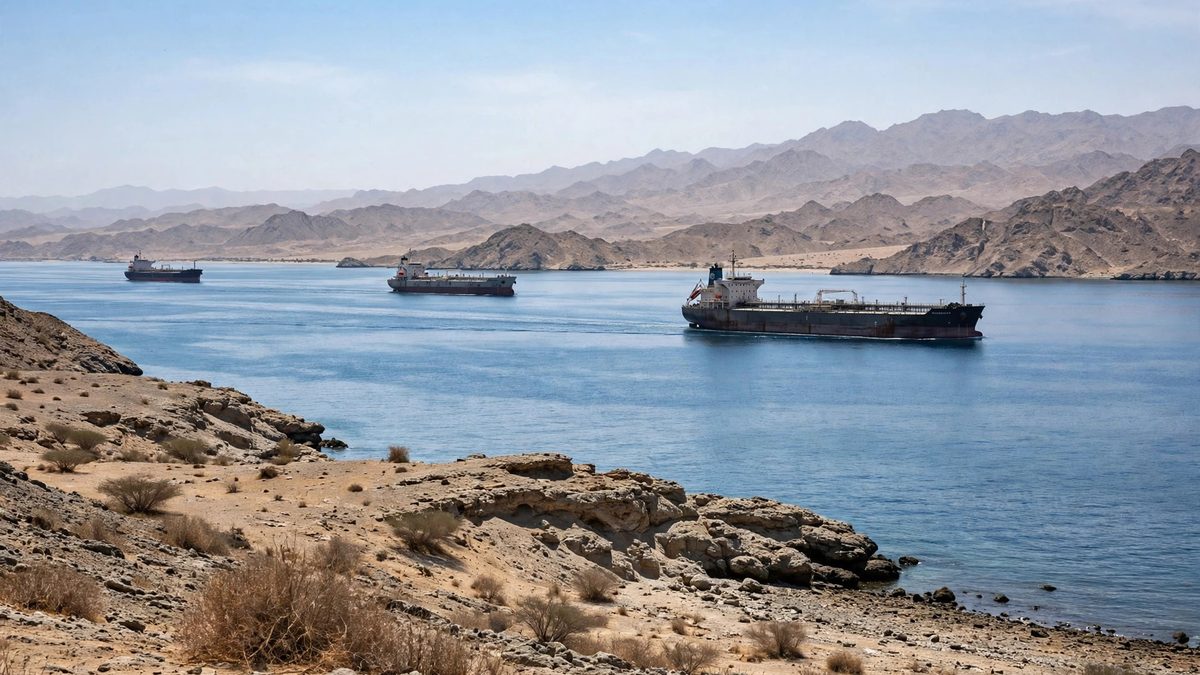
Sporadic exchanges have continued since that ceasefire, in and around the Strait of Hormuz, the narrow waterway that carries a large share of the world's traded oil. In June, Iran and the United States agreed a memorandum of understanding that set out a path toward a permanent settlement. That agreement has since unravelled, with each side accusing the other of breaking it.
Hormuz will not go back, he says
Araghchi said the war had changed conditions in the region for good. Shipping routes through the Strait of Hormuz, and the way the strait is managed, would no longer be the same as before the war, he said. He also said any end to the conflict would have to cover all fronts, and claimed that Iranian forces had destroyed more than 80 American aircraft during the fighting, most of them hit on the ground. He gave no evidence for that figure, and it has not been independently verified.
Why it matters
The exchange matters because the June framework is the only agreed path off the current footing, and both sides are now talking past it. Washington is using the threat of new strikes as pressure ahead of the November 3 midterm elections in the United States. Tehran is saying, in public, that the pressure will not move it. When both positions are stated this plainly, the space for the mediators working between them, reported to include Pakistan and Qatar, gets narrower.
What happens next turns on whether talks to restore the June memorandum resume, and on traffic through Hormuz, where any new incident at sea could give either side a reason to act first.
Timeline
- Feb 28, 2026The US and Israeli military campaign against Iran, later named Epic Fury by President Trump, begins.
- Apr 8, 2026A ceasefire between Iran and the United States ends the most intense fighting.
- Oct 23, 2026President Trump says Washington may carry out another round of strikes on Iran.
- Oct 25, 2026Foreign Minister Abbas Araghchi says Iran's policies will not change whether or not war resumes.
Sources
- The Hindu via Scoop: Iran says resumption of war would not change its stances
- Tasnim News Agency: Araqchi, Iran's policies unchanged with or without war
- ANI via Indian Economic Observer: Whether war happens or not, our policies remain in place, Iran FM Araghchi
- Aju Press: Iran's Foreign Minister, policy unchanged despite potential US strikes