
House Oversight Memo Urges Ban or Limits on Officials Trading Prediction Markets
After a probe that gathered nearly 1,700 pages from five platforms, House Oversight staff say Congress should restrict or ban prediction market trading by government personnel, even when no insider information is used.
Key points
- The House Committee on Oversight and Government Reform released a staff memorandum on Friday, November 13, 2026, urging Congress to restrict or ban trading on prediction markets by government…
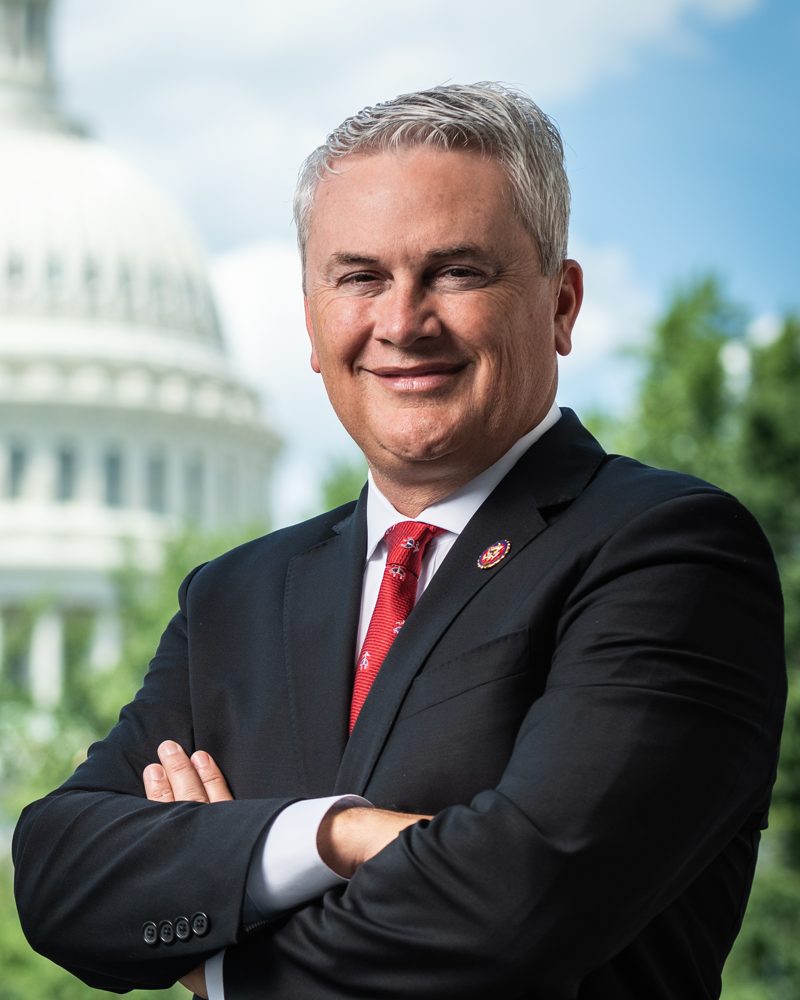
- Chairman James Comer, a Kentucky Republican, said the committee obtained nearly 1,700 pages of documents and communications and received five bipartisan staff briefings from prediction market…
- The investigation began with Kalshi and Polymarket and expanded in September to include Hyperliquid Labs, Crypto.com and PredictIt.
The House Committee on Oversight and Government Reform released a staff memorandum on Friday, November 13, 2026, urging Congress to restrict or ban trading on prediction markets by government personnel. The memorandum closed an investigation the committee launched on May 22 into insider trading by government officials, military personnel and people with security clearances who used nonpublic information to profit on the platforms.
Chairman James Comer, a Kentucky Republican, said the committee obtained nearly 1,700 pages of documents and communications and received five bipartisan staff briefings from prediction market platforms on how they detect and report suspicious trades. "Congress must consider additional reforms to prevent public corruption and restore the American people's trust in government," Comer said.
Cases the investigators cited
The investigation began with Kalshi and Polymarket and expanded in September to include Hyperliquid Labs, Crypto.com and PredictIt. Four of the five platforms gave the committee substantial documentation or briefings on their internal controls. Hyperliquid was the only platform that told the committee it did not possess the types of records and information requested about identity verification and Know Your Customer policies, according to the memorandum.
Committee staff said most reported insider trading incidents on the platforms were first detected and reported to regulators and law enforcement by the markets themselves. The memorandum pointed to a $1.2 million alleged insider trading scheme involving a Google engineer on Polymarket, and to Commodity Futures Trading Commission penalties against former congressman George Santos and a White House teleprompter operator over trades on Kalshi. The Block reported that concerns in Washington grew after an active-duty US Army soldier used confidential information to place bets on Polymarket ahead of the capture of former Venezuelan President Nicolas Maduro. The memorandum also described a large leveraged short position on Hyperliquid, opened shortly before a US tariff announcement, as a trading pattern resembling potential insider trading.
Laws apply, but staff want tighter rules
The memorandum said current insider trading laws already apply to prediction market contracts. Section 4c(a)(3) of the Commodity Exchange Act, as amended by the STOCK Act, bars federal agency employees, members of Congress, congressional employees and judicial officers from using nonpublic information from their positions to trade commodity futures, options or swaps, and Section 4c(a)(4) bars covered individuals from passing insider information to others who trade on it.
Staff still recommended new statutory limits that would apply whether or not a trade used insider information. "Government personnel should be restricted, at a minimum, from trading on contracts related to government actions or political outcomes," the memorandum stated. It said an outright prohibition on prediction market trading by officials in all branches of government is one option Congress should weigh, and it urged Congress to encourage platforms and regulatory agencies to share the information needed to enforce insider trading restrictions.
The platforms told the committee they have tightened their own controls. Polymarket hired a former law enforcement expert to lead a team on insider trading prevention and built a surveillance system called PolyGraph with the analytics company Chainalysis. In April, the Senate passed a resolution to ban its own members from trading on prediction markets, The Block reported.
Timeline
- Apr 2026The Senate passes a resolution to ban its own members from trading on prediction markets, The Block reported.
- May 22, 2026The House Oversight Committee opens its investigation into insider trading on prediction markets, starting with Kalshi and Polymarket.
- Nov 13, 2026The committee releases its staff memorandum, urging Congress to restrict or ban prediction market trading by government personnel.
Sources
- House Committee on Oversight and Government Reform: Committee releases memorandum on insider trading risks in prediction markets
- The Block: House Oversight Chair calls for possible ban on government officials' prediction market bets over insider trading concerns
- CryptoBriefing: US House calls for tighter prediction market rules following insider trading probe