
EU, China agree to halve Chinese hybrid car exports to Europe
Beijing will cut hybrid and plug-in hybrid shipments to Europe by more than half over four years. Brussels gets breathing room for its carmakers; China gets a fast lane for rare earths and tariff cuts on 4 billion euros of European goods.
Key points
- Europe and China cut their first real deal in the trade war on Friday.
- The numbers behind the deal are big.
- The cut would amount to several million cars over four years, Sefcovic said.
Europe and China cut their first real deal in the trade war on Friday. After two days of talks in Beijing, EU Trade Commissioner Maros Sefcovic announced a "shared understanding" under which China will cut its exports of hybrid and plug-in hybrid vehicles to the European Union by more than half over four years.
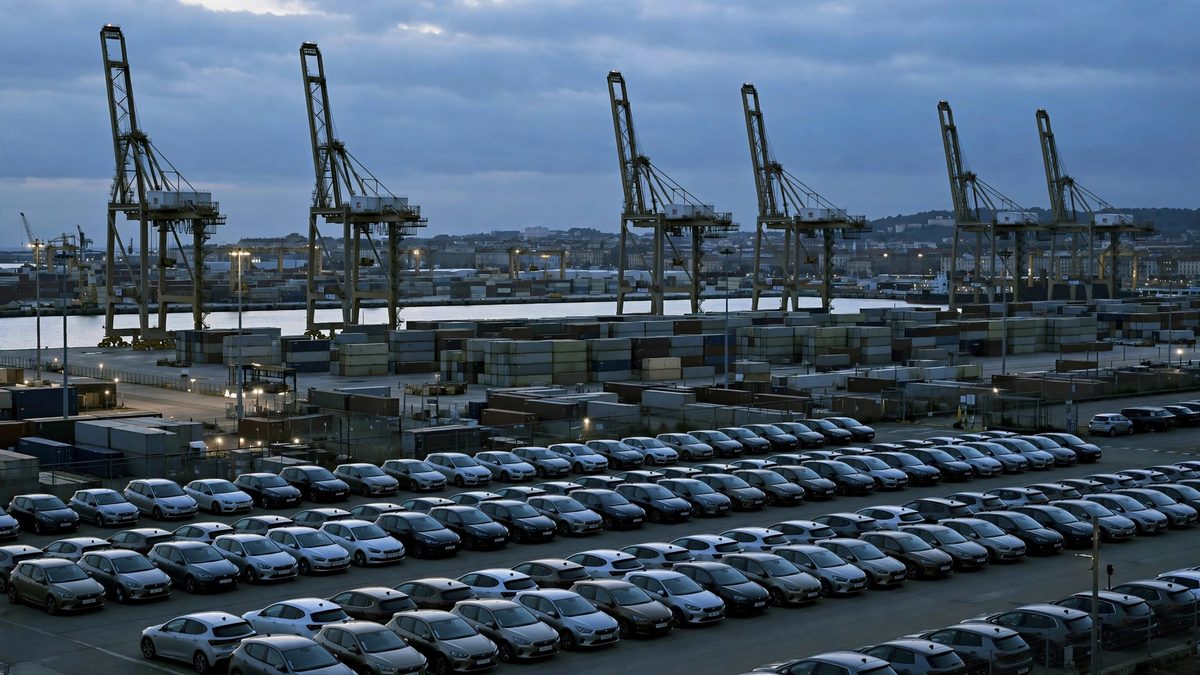
The numbers behind the deal are big. The EU's trade deficit with China hit 360 billion euros last year, more than a billion euros a day. Imports of plug-in hybrids into Europe rose 86 percent in the year to September, with prices down 20 percent, and more than half of those cars now come from China. European automakers have watched their home market get flooded with cheaper Chinese hybrids while Brussels' anti-subsidy investigation into Chinese EVs ground on.
The cut would amount to several million cars over four years, Sefcovic said. He framed it as the beginning, not the end: "This is far from the end. It's a crucial first step, but only a first step."
China gets something too. Beijing agreed to fast-track export licenses for rare earths and permanent magnets through a new "green channel" mechanism, while keeping its export controls on the books. And China agreed to cut import tariffs on seven product categories covering nearly 4 billion euros of European exports, including car parts, olive oil and footwear, with estimated duty savings of at least 225 million euros.
The understanding goes to EU leaders at a summit next week. China and the EU set a video call for January and another trade meeting for March 2027.
Why it matters
This is the first tangible de-escalation in the EU-China trade fight, and it sets a template. Europe gets managed trade volumes. China gets predictable market access plus a fast lane for rare earths that European industry depends on. Both sides can sell it at home.
For ordinary Europeans, the deal has a price tag. Cheap Chinese hybrids have been pushing prices down across Europe's car lots. Throttling that supply will slow or reverse those price cuts. Car buyers get less choice at the low end; European auto workers get breathing room. One side of that trade pays for the other.
For investors, the rare-earths clause matters as much as the car caps. Europe's automakers and wind-turbine makers depend on Chinese magnets. A working green channel lowers supply-chain risk that has been hanging over European industrial stocks.
The context
The car fight has been building for years. Brussels opened an anti-subsidy probe into Chinese electric vehicles after EU carmakers complained they could not compete with Beijing-subsidized prices. Chinese shipments of hybrids kept growing anyway, and EU leaders have been split between protecting industry and protecting consumers.
The rare-earths lever is Beijing's newest pressure tool. China controls most of the world's processed rare earths and permanent magnets. Its export licensing system has been the slow, opaque gate that European manufacturers fear. By offering a fast lane while keeping the controls, Beijing keeps the leverage and sells the process.
The tariff cuts for European goods run the other way: 4 billion euros of European exports get cheaper access to Chinese buyers. Olive oil, footwear and car parts are not glamorous categories, but for the European exporters in them, 225 million euros in saved duties is real money.
What happens next
The enforcement question is wide open. Neither side has disclosed how the export cuts will be policed, and China's own statement confirmed the understanding without giving figures. The claim that cuts will be WTO-compliant will get tested the first time a shipment exceeds the agreed pace.
Watch the EU leaders' summit next week for the political verdict. Watch whether China's green channel for rare earths actually speeds up licenses or just relabels the queue. And watch Europe's hybrid market: if prices start rising in the spring, this deal is why.
Key numbers
- 360 billion euros: EU trade deficit with China last year
- 86 percent: rise in EU plug-in hybrid imports in the year to September
- Over 50 percent: cut in Chinese hybrid exports to the EU over four years
- 4 billion euros: European exports covered by China's tariff cuts
- 225 million euros: estimated import duty savings for European exporters
Timeline
- 2026EU opens an anti-subsidy investigation into Chinese electric vehicles as Chinese hybrid shipments to Europe keep growing.
- Oct 7-9, 2026EU Trade Commissioner Maros Sefcovic holds two days of talks in Beijing with Chinese Commerce Minister Wang Wentao.
- Oct 9, 2026Both sides announce a "shared understanding": China cuts hybrid exports to the EU by more than half over four years, opens a rare-earths "green channel," and trims tariffs on 4 billion euros of European goods.